How multi-location businesses fix search data conflicts and capture more local calls
By: Jesse Nelson
When a multi-location business in Sugar Hill or North Georgia suddenly notices a drop in phone calls across its branches, the culprit isn't usually a lack of customer demand or poor service quality. Instead, an invisible conflict in online business listings quietly sends potential customers to competitors before they ever get a chance to call you. While most branch managers assume that creating local profiles or posting occasional updates is enough to maintain visibility, search algorithms check multi-branch listings against strict verification rules.
Uncovering how top-performing regional brands resolve this hidden friction, and why an established
marketing company prioritizes location data structure over basic promotional activity, reveals the exact roadmap to safeguard local search rankings and drive predictable inbound leads.
TL;DR & strategic action plan
- Conflicting business name, address, and phone details across directories confuse Google algorithms and lower local search placement.
- Each branch location requires a distinct, dedicated landing page with location-specific structured data code.
- Suppressing duplicate listings and consolidating map pins prevents keyword competition between your own branches.
- Standardized review collection systems preserve brand reputation while growing local Google Maps rankings.
Ready to audit your regional location data?
Schedule your free local SEO auditThe technical pillars of multi-location search consistency
Managing search visibility for a single storefront is straightforward. However, in our work managing multi-branch accounts across Sugar Hill, Cumming, Suwanee, and Gwinnett County, expanding to two, five, or ten regional locations introduces complex location data challenges. Google's local algorithm relies on verified business details to match local customer searches with the right physical branch. When location data conflicts across maps, aggregators, and social channels, search engines suppress map listings to protect user accuracy.
Core location data synchronization pillars
| Data Synchronization Pillar | Fragmented Multi-Location Footprint | Unified Multi-Location Architecture |
|---|---|---|
| Name, Address, and Phone (NAP) Consistency | Varying phone numbers, suite formats, and business names | Identical name, address, and phone data across all directories |
| Google Business Profiles | Unverified or duplicate map pins competing for queries | Verified profile for each physical location with custom store codes |
| Website Landing Pages | All branches sending traffic to a generic homepage | Individual location landing pages optimized for local search queries |
| Local Schema Markup | Basic website text without structured code | Custom LocalBusiness schema detailing exact branch coordinates |
Why location data conflicts hurt Google Maps rankings
When a customer in Sugar Hill searches for local services on a mobile phone, Google scans surrounding physical locations, verified reviews, and directory listings. If your Suwanee branch and your Sugar Hill branch share a main office phone number or list inconsistent street formatting, Google's algorithm flags the listing as unreliable.
Search engines prioritize confidence. Resolving location conflicts across regional directories builds algorithmic trust, allowing each branch to rank higher in its specific service territory.
According to technical research in
Google Search Central Guidance on Local Profiles, implementing structured data code for each physical address gives search crawlers explicit proof of your branch operations.
Structuring location-specific landing pages for maximum search rankings
A common mistake multi-location business owners make is linking every Google Business Profile to their main website homepage. Linking regional map pins to a generic homepage dilutes local search authority and confuses prospective customers looking for local branch details.
Creating dedicated, high-converting location landing pages for each branch provides a clean destination for local search traffic.
Main Website Domain (Brand Authority)
├── /service-areas/sugar-hill-ga → Linked to Sugar Hill GBP
├── /service-areas/cumming-ga → Linked to Cumming GBP
└── /service-areas/suwanee-ga → Linked to Suwanee GBP
Essential elements for branch landing pages
- Display the exact street address, local direct phone number, and branch operating hours near the top of the page.
- Include authentic descriptions of projects, team members, and client stories specific to Sugar Hill, Buford, Suwanee, and Gwinnett County.
- Filter customer testimonials so prospects see feedback from clients in their immediate neighborhood.
- Implement LocalBusiness or PostalAddress structured markup in the page code to feed exact coordinates to search crawlers.
Partnering with an established marketing company in Sugar Hill, GA ensures your website architecture seamlessly supports multiple branch locations while maintaining high conversion rates.
Eliminating duplicate listings and internal keyword competition
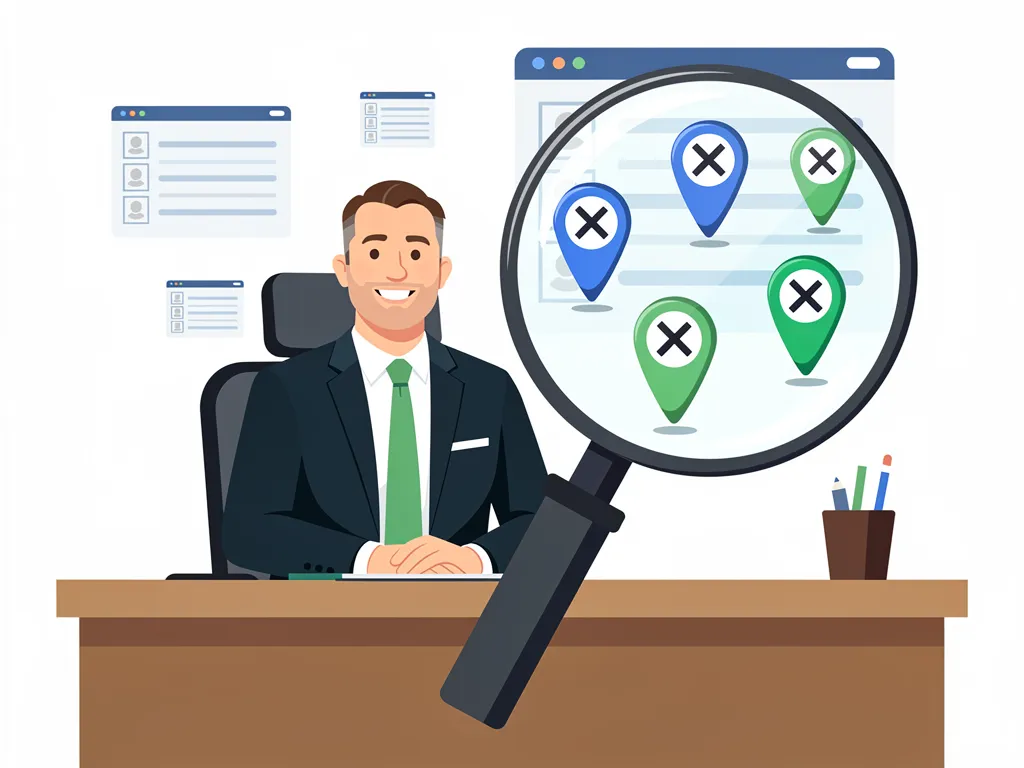
As regional businesses grow, automated directory sites and map networks often create duplicate listings without your knowledge. Former addresses, old phone numbers, or unverified map pins split your authority and compete directly with your primary business profiles.
Cleaning up duplicate listings requires a systematic audit across major data aggregators, map networks, and social platforms.
Multi-location directory audit checklist
| Audit Category | Recommended Action | Risk of Neglect |
|---|---|---|
| Duplicate Map Pins | Merge duplicate Google Business Profiles into verified primary listings | Divided review authority and suppressed map placement |
| Phone Number Strategy | Assign dedicated local phone numbers to each physical branch | Calls routed to wrong locations and poor local trust signals |
| Online Directory Listings | Update core listings across Apple Maps, Bing Places, and Yelp | Conflicting location data overriding verified profile updates |
| Review Distribution | Direct review requests to specific branch links following FTC compliance rules | One location building reviews while newer branches remain empty |
How an experienced marketing company amplifies local reputation systems
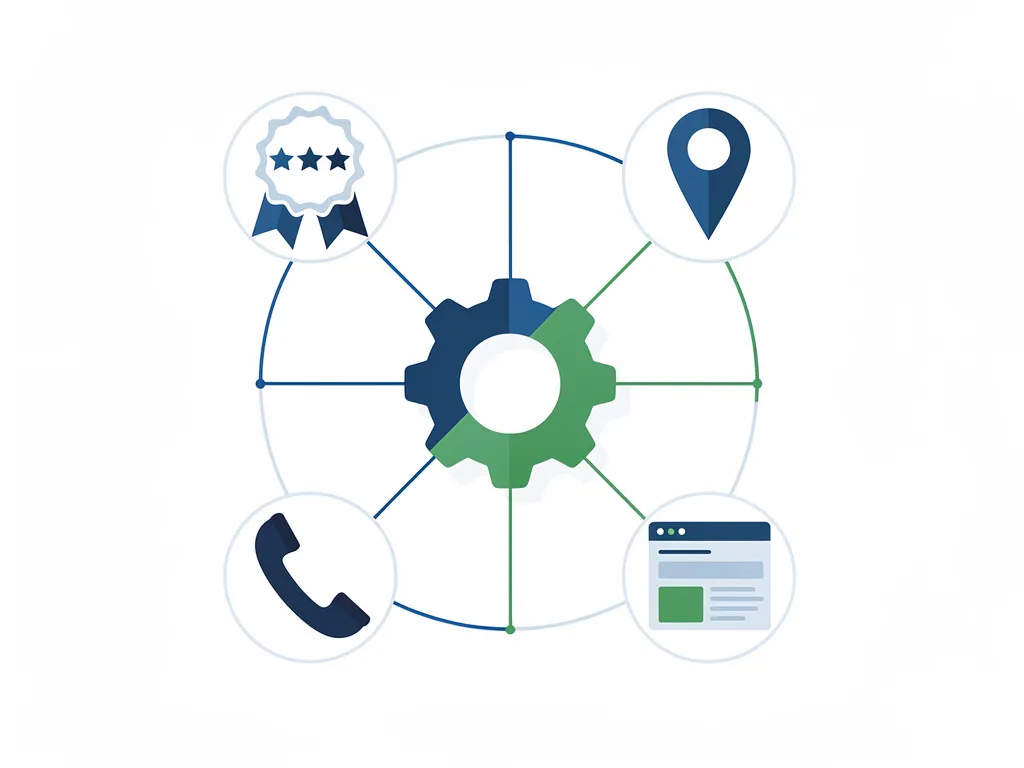
Managing multi-location search consistency, schema implementation, and directory synchronization requires specialized tools and continuous oversight. If you try to manage these tasks manually across several branches, you'll often face data conflicts and missed local revenue targets.
Management approach comparison
| Operational Function | Manual Multi-Location Management | Managed Local Growth Engine |
|---|---|---|
| Location Data Management | Manual updates across individual websites and directories | Centralized automated updates across all major search networks |
| Review Collection Systems | Inconsistent manual review requests by branch managers | Automated SMS/email review sequences routed to correct branch profiles |
| Website Architecture | Duplicate or thin location pages with generic text | Custom location hubs that include unique copy, schema, and local proof |
| Support & Accountability | Standard 9-to-5 ticketing or delayed support | Seven-day phone support & direct local strategist involvement |
A dedicated digital agency builds integrated systems that connect and sync location data across all branch territories. From setting up centralized review software to optimizing Google Business Profiles and deploying location-specific landing pages, professional support helps your business secure strong, reliable search placement across every market you serve.
Led by founder Jesse Nelson, Simpleman Digital Marketing provides hands-on local SEO, reputation systems, and web development tailored specifically for multi-location business owners across Sugar Hill, Suwanee, Buford, Cumming, and Gwinnett County.
Strategic conclusion & next steps
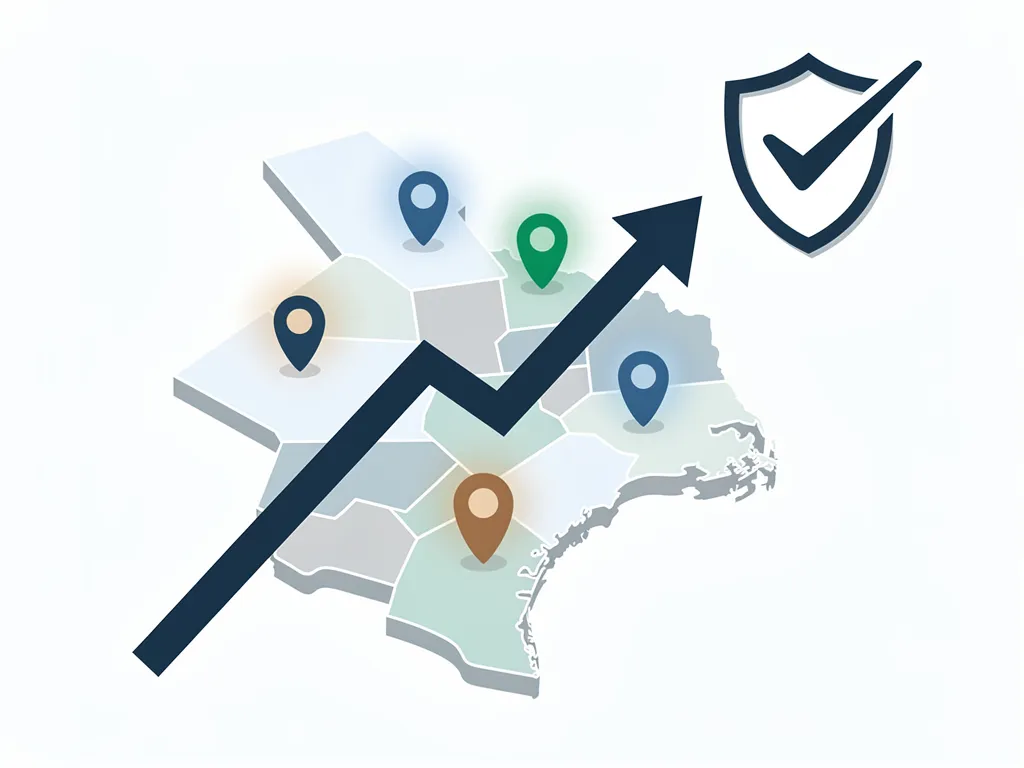
Maintaining local search consistency across multiple branch locations is essential for protecting your brand authority and capturing regional market share. Eliminating data conflicts, structuring location landing pages, and automating review collection ensures each branch ranks strongly in its local service territory.
By matching your physical location data with Google's technical guidelines, your multi-location business establishes strong search placement and generates a steady stream of qualified customer calls.
Partner with Forsyth and Gwinnett County's "Best of Forsyth" digital growth team.
Book your one-on-one appointment for a free local SEO audit with Simpleman Digital Marketing to review your multi-location visibility and build a scalable regional strategy.
About the author

Jesse Nelson is the founder and lead local search strategist at Simpleman Digital Marketing, based in Cumming, Georgia. With more than a decade of experience in local SEO, multi-location search architecture, and conversion web design, Jesse helps regional business owners across Sugar Hill, Gwinnett, and Forsyth County build predictable lead generation engines. Simpleman Digital Marketing has been recognized as a four-time "Best of Forsyth" winner (2022-2025) for delivering transparent, data-backed digital growth strategies with direct seven-day phone support.
Like this Article? Please Help Us Get The Word Out & Share it!
You might also like
Simpleman Digital Marketing Blog