
Your ads are running. Your Google listing is getting views. Your monthly report says calls went up. So why isn't the schedule any fuller?
One place to look is what happens in the first hour after a customer reaches out. This guide gives you three phone tests you can run in 15 minutes, put together by Simpleman Digital Marketing, a local marketing company serving Sugar Hill, so more of the calls you already pay for turn into booked jobs.
TL;DR: What to remember
- Ads can bring in calls, but answering them quickly is what turns calls into jobs.
- In a Harvard Business Review study, businesses that tried to reach a new lead within an hour were nearly seven times as likely to talk with the decision-maker as businesses that waited even one more hour.
- Run the three phone tests below before you change your ad budget or your marketing company.
Three phone tests you can run in 15 minutes
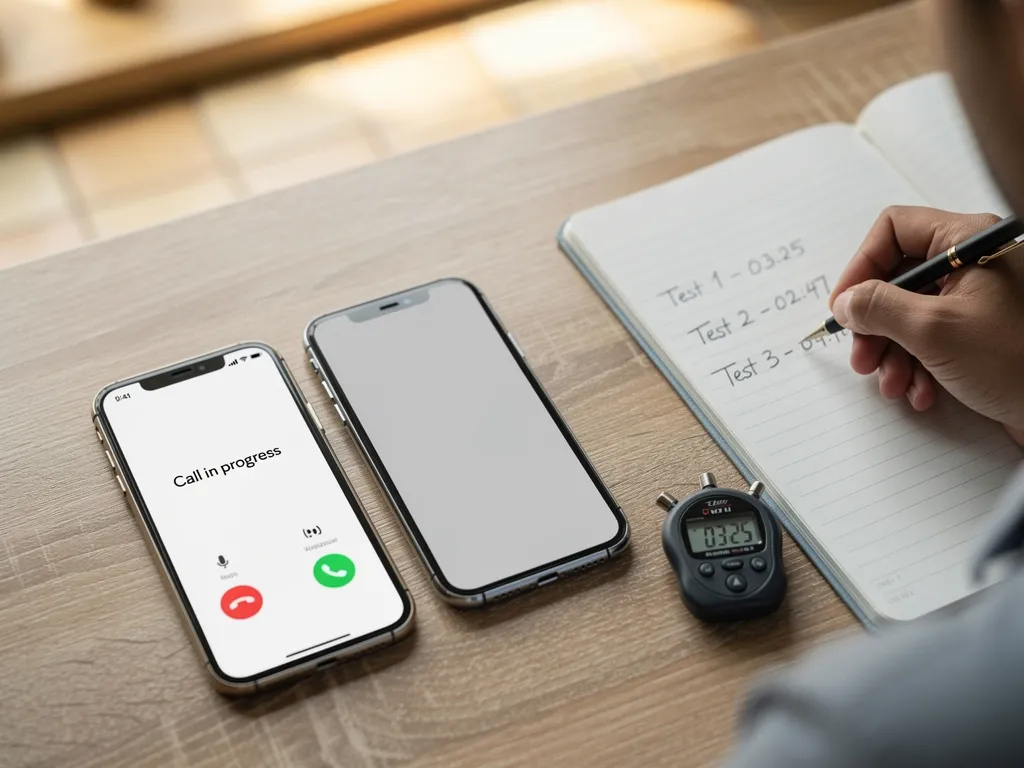
Call your business, fill out your own website form, and tap "Call" on your Google listing. Each test shows whether a real customer would reach a person or give up and call someone else.
Grab a second phone (a spouse's or an employee's works) and a notepad.
Test 1: Call your business like a customer would
Call your main number during a busy part of the day, then again after 5 p.m. Write down whether a person answered, how many rings it took, and what the voicemail says.
Listen the way a customer would. Does the greeting give your business name? Does it say when they'll hear back? Is the mailbox full? A full or vague voicemail gives callers a reason to try the next company on Google.
Test 2: Fill out your own website form
Submit your contact form with a test name and your cell number, then start a timer. Note when the alert arrives, which inbox it lands in, and how long it takes someone to reply.
Check whether alerts go to an old employee's email, land in spam, or never arrive at all. Then look at the clock. In a study of 1.25 million sales leads published in Harvard Business Review, businesses that tried to reach someone within an hour were nearly seven times as likely to have a real conversation with the decision-maker as businesses that waited even one more hour. Businesses that called within an hour were also more than 60 times as likely to get that conversation as those that waited a day or longer.
That study is from 2011, before most people called businesses from the phone in their pocket. The lesson still holds up: call back as fast as you can.
Test 3: Tap "Call" on your Google listing
From a phone that isn't yours, search for your business, open your Google Business Profile, and tap the call button. Make sure it rings a line someone answers.
Then compare that number with the one on your website and your Facebook page. If they don't match, some customers will end up calling a line nobody picks up. Google also changes how calls work in local results from time to time, so recheck every few months. Here's what happened with Google's map call button change.
Two habits to start this week
Ask every new customer how they found you, and keep a one-week log of every call and form. These two habits show where your jobs come from and where calls get lost.
Ask every new customer one question
"How did you hear about us?" Write the answer down every time. It's the cheapest tracking you'll ever set up.
The U.S. Small Business Administration recommends the same habit: remind your employees to ask new customers where they learned about your business. After a month, you'll have a rough picture of which channels bring in paying work.
Keep a one-week call log
For seven days, write down every call, form, and message, when it came in, when someone responded, and whether it became a booked job. Paper works fine.
If most calls get a reply within the hour and still don't book, look at your pricing or the type of calls you're getting. If replies stretch into the next day, you've found your leak.
Is it a lead problem or a marketing problem?
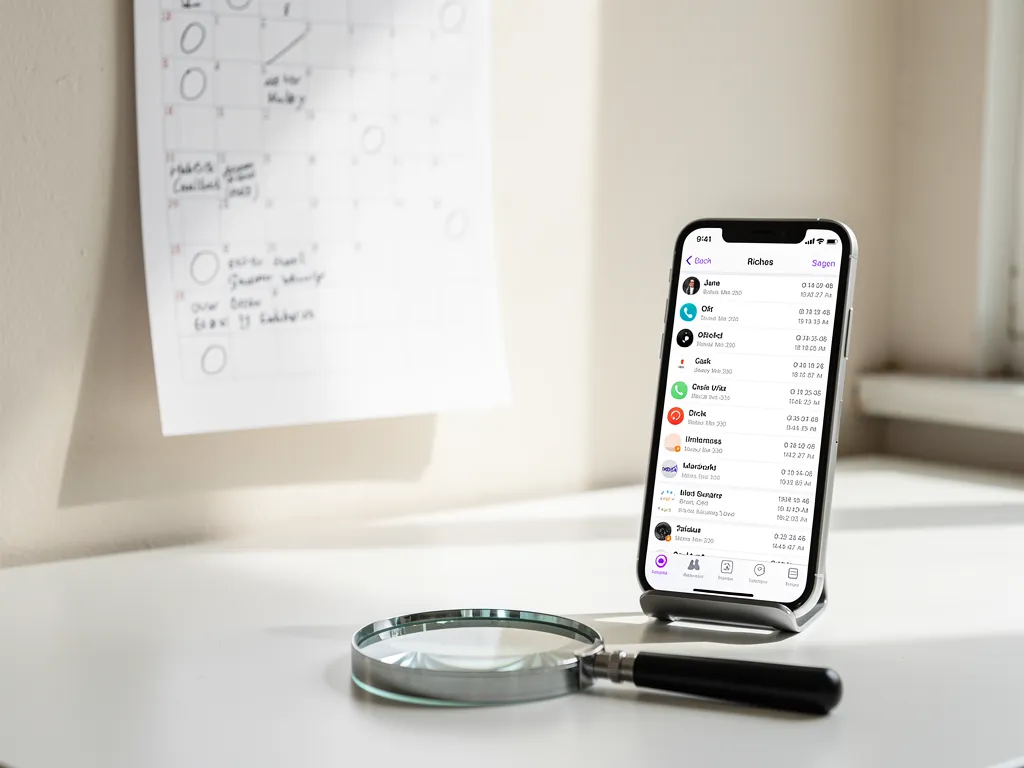
Start with how many calls you get, then look at what happens to them. A low number of calls usually points to your marketing. Plenty of calls with few booked jobs usually points to how those calls get handled.
| What you're seeing | Where to start |
|---|---|
| Very few calls or form fills | Your marketing |
| Plenty of calls, few booked jobs | How fast you call back |
| Booked jobs, but mostly small ones | Which services your ads promote |
| Most calls come in evenings and weekends | After-hours coverage |
| You can't tell where jobs come from | The "How did you hear about us?" habit |
This also gives you a better starting point with whoever runs your marketing. "Calls are up but bookings are flat" gets a far more useful answer than "the ads aren't working."
What to fix first, from free to paid
Start with the free fixes. Add paid tools only if the free ones don't close the gap.
- Re-record your voicemail. Empty the mailbox, say your business name, and tell callers when you'll call back.
- Send form alerts straight to your phone instead of a shared inbox nobody checks after lunch.
- Make your phone number match everywhere, so your Google listing, website, and directory listings all ring a line someone answers.
- Turn on a missed-call text-back. Many phone systems and customer software tools can automatically text anyone whose call you miss, so they know you'll call back.
- Find out which ad made your phone ring. Call tracking gives each ad and listing its own number, so you can see what's working.
- Consider an answering service if your call log shows lots of evening and weekend calls.
Fix the leaks, then turn up the volume
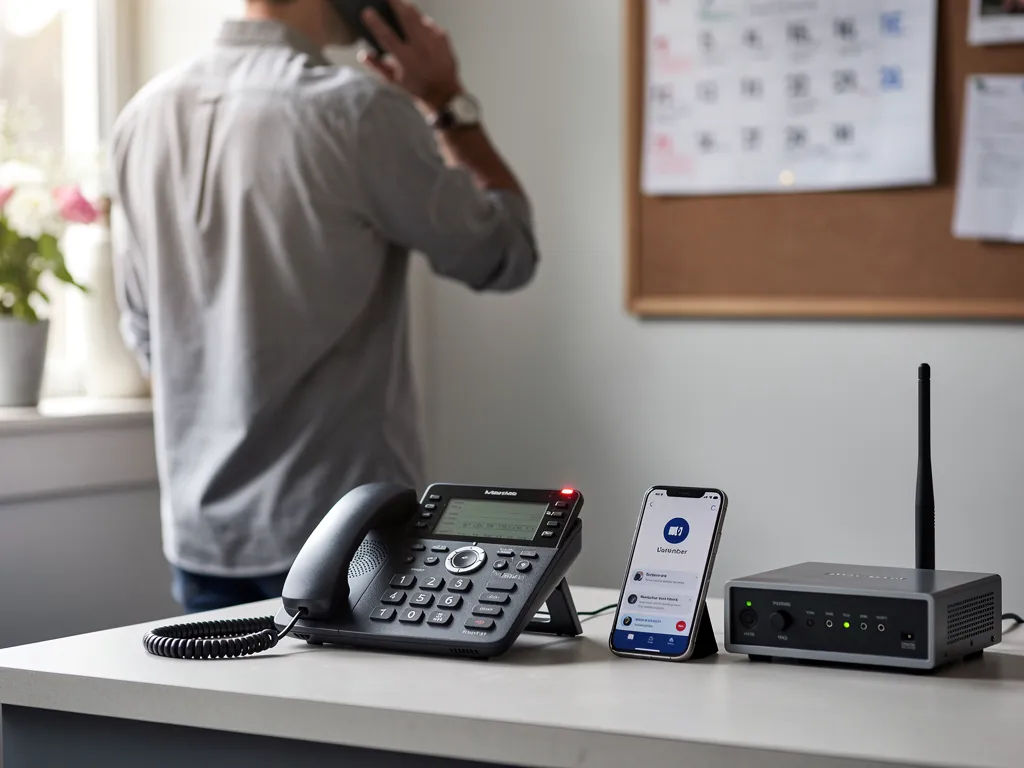
If your reports look busy but your calendar doesn't, start with the three phone tests. The first fixes don't cost a thing, and every call you catch is a call you've already paid for.
We hold ourselves to the same standard, and our phone line is open seven days a week.
When you're ready for help getting more of the right calls, take a look at our Sugar Hill marketing services or get a free quote. We'll walk through your numbers with you, with no obligation and no pushy sales pitch.
About the author

Jesse Nelson is the founder and lead strategist at Simpleman Digital Marketing, with offices in Cumming and Sugar Hill. He holds a Bachelor of Science in Psychology and Business from Georgia Southern University. He helps small businesses across Forsyth and Gwinnett counties get found on Google and turn more of that attention into booked calls.
Like this Article? Please Help Us Get The Word Out & Share it!
You might also like
Simpleman Digital Marketing Blog